Magnesium From Food vs Supplements: Does the Source Actually Matter
The magnesium conversation tends to jump straight to which supplement form to buy, skipping over a more basic question: does it actually matter whether magnesium comes from food or a supplement in the first place? The honest answer is more nuanced than either camp usually admits.

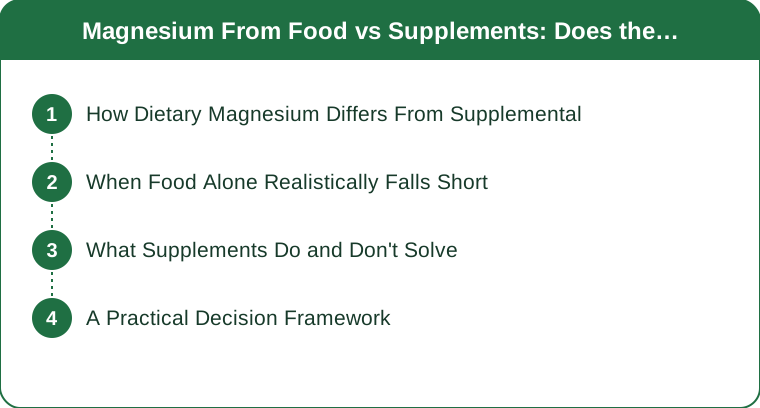
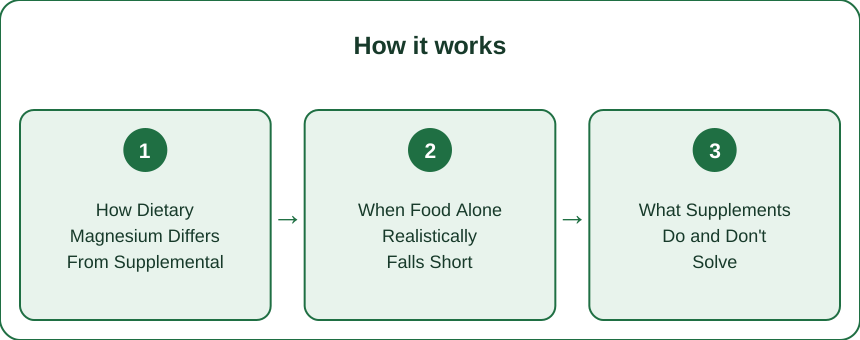
How Dietary Magnesium Differs From Supplemental
The distinction: the the-co-nutrient-package (magnesium from whole foods arriving alongside fiber, other minerals, and compounds that can support overall absorption and health in ways an isolated supplement doesn’t replicate), the the-lower-concentration-per-serving (food sources generally delivering magnesium in smaller amounts per serving compared to a concentrated supplement dose, requiring more consistent intake across meals to reach adequate levels), the the-absorption-variability-by-form (different magnesium compounds, whether from food or supplement form, having genuinely different absorption rates in the gut, an issue that exists on both sides of the food-versus-supplement question)).
When Food Alone Realistically Falls Short
The practical gap: the the-modern-diet-gap (many typical diets falling short of recommended magnesium intake even with reasonable effort, due to soil depletion and food processing reducing magnesium content in many common foods), the the-increased-need-scenarios (certain situations, like high physical training load, significant stress, or specific medical conditions, increasing magnesium needs beyond what typical dietary intake easily covers), the the-restrictive-diet-consideration (certain dietary patterns that limit key magnesium-rich food groups making a supplement more reasonably worth considering as a gap-filler).

What Supplements Do and Don’t Solve
The supplement reality: the the-supplement-as-gap-filler-not-replacement (a supplement working best as a way to fill a specific, real dietary gap rather than as a wholesale replacement for magnesium-rich foods), the the-form-still-matters-for-supplements (among supplement forms, certain compounds like magnesium glycinate or citrate generally absorbing better and causing less digestive upset than others like magnesium oxide), the the-over-supplementation-risk (unlike dietary magnesium, which is naturally limited by food volume, supplement magnesium is easier to take in excess, carrying its own set of risks).
A Practical Decision Framework
The approach: the the-food-first-default (prioritizing magnesium-rich foods like leafy greens, nuts, seeds, and whole grains as the default approach for most people without a diagnosed deficiency), the the-supplement-for-specific-gaps (reaching for a supplement specifically when food intake, increased needs, or dietary restrictions create a documented or strongly suspected gap), and the frame (food and supplement magnesium aren’t really in competition — food works better as a baseline with beneficial co-nutrients, while a well-chosen supplement fills a real, specific gap that food alone isn’t covering.)
Magnesium from whole foods arrives with a package of fiber, other minerals, and compounds that can support absorption and overall health in ways an isolated supplement simply doesn’t replicate, but that doesn’t mean food alone always covers the gap. Many typical diets fall short of recommended magnesium intake even with reasonable effort, partly because soil depletion and food processing have reduced magnesium content in a lot of common foods, and certain situations like heavy training load or significant stress increase magnesium needs beyond what food intake easily accounts for. This is where a supplement earns its place, not as a wholesale replacement for magnesium-rich foods but as a targeted way to fill a specific, real gap, with certain supplement compounds like magnesium glycinate or citrate generally absorbing better and causing less digestive upset than others like magnesium oxide. This is general information, not medical advice, and the practical framework holds up well: default to food-first for most people without a diagnosed deficiency, and reach for a supplement specifically when a documented or strongly suspected gap remains.
Keep Reading
This article is for general informational purposes only and is not medical advice. Always consult a qualified health professional for guidance specific to you.