The Magnesium Timing Mistake That Quietly Cancels Out the Benefit
Quick Answer: Taking magnesium at the same time as a high-dose calcium or zinc supplement can reduce magnesium absorption, since the three minerals compete for the same absorption pathway in the gut — spacing them by at least 2 hours preserves more of each mineral’s benefit.
You’ve been taking your magnesium faithfully every night, right alongside your calcium supplement, and still not seeing the sleep or muscle-cramp improvement you expected. The dose might be fine — the timing next to calcium might be the actual problem.

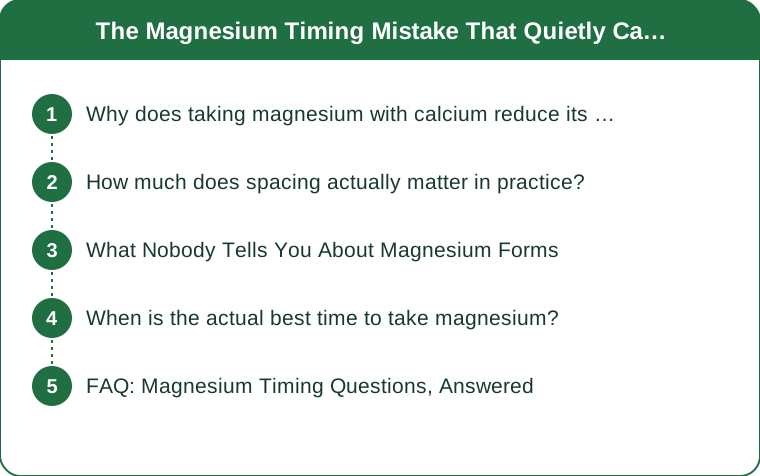
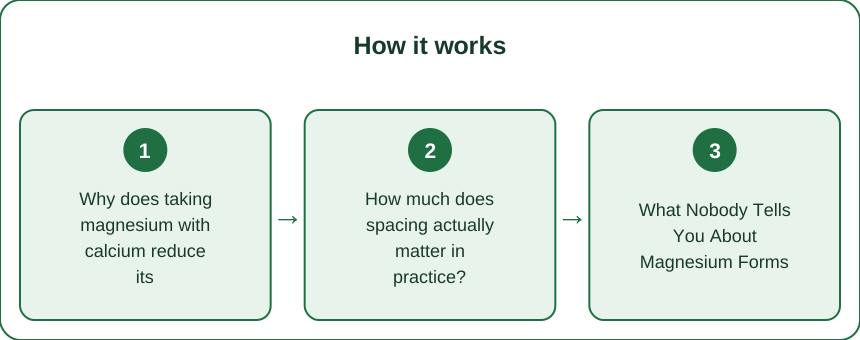
Why does taking magnesium with calcium reduce its effectiveness?
Magnesium, calcium, and zinc all rely on shared transport proteins to cross the intestinal wall during absorption. When taken together in meaningful doses, they compete for the same limited transport capacity, meaning less of each mineral actually gets absorbed compared to taking them separately.
How much does spacing actually matter in practice?
Studies on mineral competition suggest the effect is modest but real — typically a reduction of absorption efficiency rather than a total block. For someone specifically supplementing to correct a deficiency or improve sleep/cramping, that modest reduction can be the difference between noticing an effect and not.

What Nobody Tells You About Magnesium Forms
Not all magnesium supplements absorb the same way, and this often matters more than timing. Magnesium oxide, the cheapest and most common form, has notably poor absorption (some estimates put it under 10%) and a strong laxative effect, which is why many people take it and only notice digestive effects, not the intended benefit.
Magnesium glycinate or citrate absorb considerably better and are less likely to cause GI upset, making them a better choice for anyone taking magnesium for sleep or muscle-related reasons rather than as a mild laxative.
When is the actual best time to take magnesium?
Evening, on its own or with a light snack, at least 2 hours away from calcium or zinc supplements. Magnesium’s calming effect on the nervous system pairs naturally with an evening routine, and taking it away from competing minerals lets more of it actually get absorbed rather than passing through unused.
FAQ: Magnesium Timing Questions, Answered
Can you take magnesium and vitamin D together?
Yes — vitamin D doesn’t compete with magnesium for absorption the way calcium and zinc do, and magnesium is actually needed to help activate vitamin D in the body.
Does food affect magnesium absorption?
A light meal generally helps reduce stomach upset without meaningfully blocking absorption, unlike high-dose competing minerals.
How long before you’d notice a benefit from better-timed magnesium?
Most people report changes in sleep quality or muscle cramping within 1-3 weeks of consistent, properly-timed supplementation, though individual response varies. This is general information, not medical advice.
TL;DR:
- Magnesium, calcium, and zinc compete for the same absorption pathway when taken together
- Space magnesium at least 2 hours from calcium/zinc supplements
- Magnesium oxide absorbs poorly — glycinate or citrate are better choices for sleep and cramping
- Evening, away from other minerals, is the most effective general timing
If your magnesium routine isn’t working, check what you’re taking it next to before you assume the dose is wrong.
Keep Reading
This article is for general informational purposes only and is not medical advice. Always consult a qualified health professional for guidance specific to you.